Homes That Hold On: Designing for Lasting Affection

Today we dive into emotional durability—designing interiors people cherish and maintain—through practical strategies, research-backed insights, and heartwarming stories. You’ll discover how materials, rituals, layouts, and small daily choices transform rooms into places that inspire care, loyalty, and long-term stewardship.

Foundations of Attachment

Why do certain spaces feel like trusted companions while others fade from memory? Emotional durability grows when environments support identity, ease decisions, and invite participation. We examine cues that reduce friction, deepen belonging, and spark tiny moments of pride that encourage people to keep caring, cleaning, and returning.
A photo ledge that evolves with seasons, a sunlit chair reserved for Sunday chapters, a doorway where height marks quietly stack—these simple anchors create continuity. When routines meet reminders of personal journeys, rooms stop competing for attention and start hosting stories, making daily maintenance feel like preserving something precious.
Clarity reduces neglect. Wide circulation paths, obvious storage near action zones, and consistent hardware make tidying intuitive. When the home explains itself—where the broom lives, how cushions align, why light switches feel predictable—people act without hesitation, building habits that preserve order, comfort, and a shared sense of responsibility.

Materials That Age With Grace

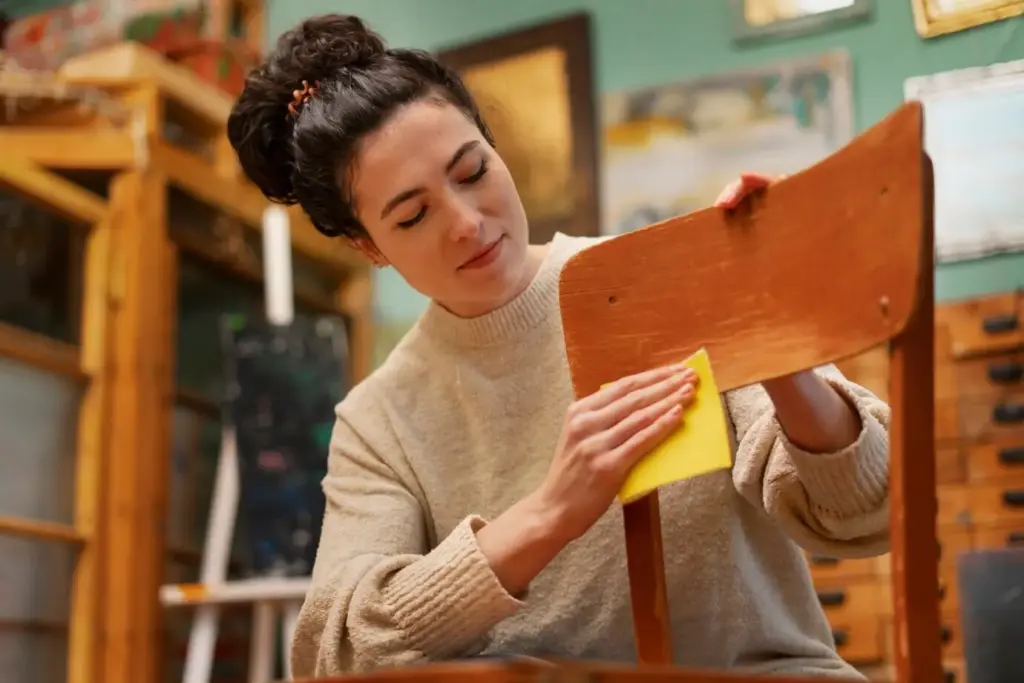
Long-lived affection grows when finishes welcome touch, show honest wear, and stay repairable. We compare natural fibers, solid timbers, powder-coated steel, mineral paints, and forgiving stones, highlighting tactile comfort, colorfastness, and accessible maintenance rituals that sustain beauty through seasons of heavy use, children, pets, and celebrations.

Stories Embedded in Objects

People protect what holds meaning. By embedding narrative into furniture, art, and fixtures—through provenance, customization, and ritual—we create anchors that outlast trends. Heirloom potentials grow when items record moments, accommodate signatures, or contain hidden notes, transforming maintenance into storytelling passed between generations and close friends.

Micro-Routines That Stick

Pair actions with anchors: wipe counters while the kettle hums, sweep entry grit before shoes are stored, water plants after Friday breakfast. Tiny loops tied to existing habits reduce decision fatigue. Celebrate consistency with visible trackers, turning upkeep into satisfying wins that accumulate, quietly guarding comfort and long-term order.

Toolkits That Empower

Place attractive, right-sized tools where they are needed: a handsome brush in the pantry, a lint shaver by the sofa, labeled plant food near the sink. When tools are beautiful and accessible, people reach for them, act immediately, and feel competent, reinforcing care as an enjoyable, shared practice.

Flexible Layouts That Grow With Life

Adaptable rooms invite loyalty because they meet changing needs without drama. We map movable walls, multipurpose furniture, and layered lighting that support new hobbies, guests, and work. By reducing friction during transitions, households keep investing attention and care, extending the emotional lifespan of both objects and routines.

Qualitative Signals of Belonging

Listen for phrases like “we always sit here,” notice how guests choose seats, and watch which objects people instinctively straighten. These cues indicate ownership and pride. Invite readers to share their telltale signs in comments, building a library of observations that guide designs toward greater attachment and everyday delight.

Quantitative Indicators of Longevity

Track cleaning times, repair turnaround, and replacement intervals. Compare before-and-after data when switching materials or layouts. Monitor nighttime light levels, acoustic comfort, and thermal stability with accessible sensors. Numbers tell stories about ease and endurance, revealing where small investments produce large gains in affection, caretaking, and overall environmental calm.

Feedback Loops and Iteration

Schedule periodic reviews with seasonal photos, short surveys, and family conversations. Keep what sparks joy and functions effortlessly; adjust what stalls routines. Share your experiments with our community newsletter for encouragement and insight, turning continuous improvement into a collective practice that strengthens care, memory, and design literacy over time.
Nupekakotufepunofita
Privacy Overview

This website uses cookies so that we can provide you with the best user experience possible. Cookie information is stored in your browser and performs functions such as recognising you when you return to our website and helping our team to understand which sections of the website you find most interesting and useful.