Homes That Remember: Repair, Reuse, and Community Stories
Today we explore Community Repair and Reuse: Embedding Local Histories in Interior Design by honoring materials that already hold memory, and by inviting neighbors to share the stories that shaped their streets. Expect practical methods, heartfelt anecdotes, and ways to participate. Share your experiences, subscribe for future guides, and help build interiors that respect place, reduce waste, and celebrate the people who came before us.
Why Keeping Materials Matters Now
Repairing and reusing what we have isn’t nostalgia; it is meaningful climate action and cultural care. Every retained floorboard, re-lacquered chair, and re-wired pendant saves embodied energy while preserving local memory. When homes celebrate repair, residents feel pride, neighbors recognize themselves in spaces, and craftsmanship gains renewed purpose beyond trend cycles.
Gathering Local Histories With Care
Design grounded in place begins with listening. Oral histories, church bulletins, corner-store flyers, and attic shoeboxes reveal details catalogs miss. Approach elders respectfully, compensate contributors, and protect sensitive memories. Translate stories into material choices, craft techniques, and spatial gestures so rooms become welcoming archives where everyday lives are dignified and visible.

Kitchen Table Interviews
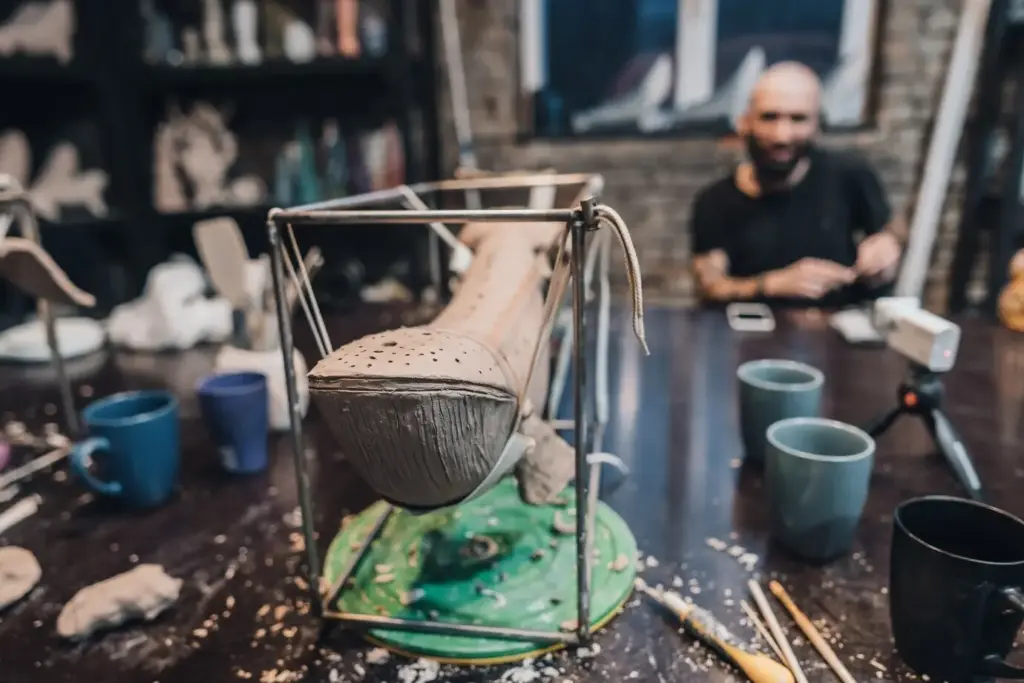
Brew tea, switch off notifications, and bring old neighborhood maps. Ask about celebrations, repairs after storms, and who built that peculiar stair. Record with permission, then summarize in plain language. Later, choose finishes, colors, and hardware that echo those conversations, allowing the kitchen itself to reflect the voices that shaped it.
Walking the Block With Elders
Sidewalk strolls reveal construction dates, former corner clubs, and the best window installers from decades past. Elders point to ghost signs, patched masonry, and fence repairs with surprising backstories. Snap discreet photos, collect material clues, and translate insights into respectful detailing that acknowledges labor, migration, and celebration etched into every facing brick.
Reading Buildings Like Books
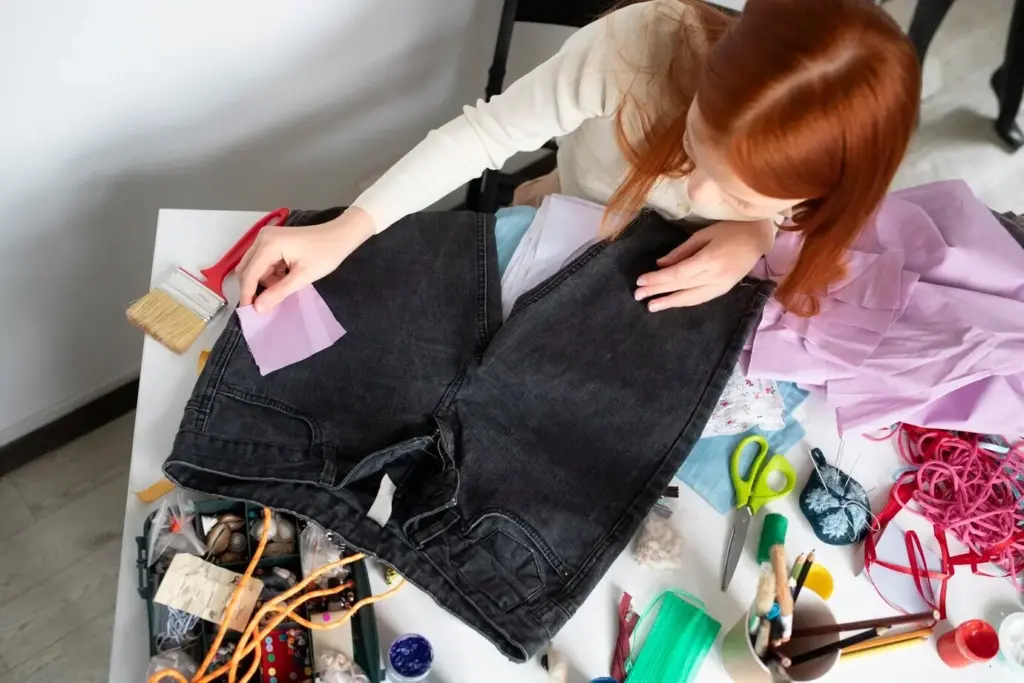
Every patch, nail hole, and sanding swirl is a footnote in a long narrative. Treat the baseboards, switch plates, and ceiling roses as chapters worth rereading. Instead of hiding irregularities, catalog them, finish them thoughtfully, and let gentle contrasts signal attentive care. The interior becomes a legible, generous record of continuity.
Design Methods for Repair-First Interiors
A repair-first interior anticipates maintenance, favors reversible joinery, and celebrates durable finishes that age gracefully. Plans include access panels, standardized screws, and spare tiles stored on-site. By designing for disassembly and visibility, we make future fixes easier, protect budgets, and keep cherished materials narrating local life while adapting to changing needs.
Choose fasteners you can actually undo, not adhesives that demand demolition. Pocket screws, French cleats, and mechanical clips let pieces be serviced. Finish surfaces with oils and hardwax rather than brittle films. Label hidden areas with date, product, and instructions so the next caretaker, perhaps your neighbor’s kid, can confidently continue stewardship.
Instead of hiding patches, highlight them thoughtfully with contrasting woods, stitched leather wraps, or kintsugi-inspired metal seams. This approach honors both fracture and repair, turning maintenance into craft. Visitors notice the honesty, ask questions, and learn that longevity is a design intention, not an accident. Every mend becomes an invitation to participate.
Create a small binder or QR code linking to each component’s origin, composition, finish, and care routine. Include sketches, receipts, and oral history notes. When a hinge squeaks or a tile chips, caretakers know what was used and how to fix it. Knowledge stays with the home, not just the installer.

Sourcing and Sorting: Salvage With Intention
Introduce yourself, share your repair-first values, and ask how items were acquired. Reliable partners will welcome questions about lead paint, fire ratings, and moisture history. Offer photos of finished projects so suppliers see outcomes. That reciprocity often unlocks early notice on special arrivals, ensuring locally significant pieces find respectful, informed new homes.
Before installation, test for hazards, check moisture content, and repair joints slowly. Clean gently to preserve patina, then seal with breathable finishes. Photograph steps for future reference. This careful process prevents failures, documents craft, and communicates that reclaimed components are not shortcuts but deliberate choices grounded in skill, patience, and responsibility.
Set aside labeled shelves or digital catalogs of extra tiles, hardware, and offcuts. Neighbors can borrow, trade, or replenish after projects. Establish simple check-out rules and donation guidelines. Over time, the library becomes a neighborhood resource where affordability, creativity, and shared memory converge, ensuring small fixes never require expensive, wasteful overhauls.
Monthly Repair Cafés That Actually Repair
Invite electricians, upholsterers, and seasoned do-it-yourselfers to co-host. Bring mismatched chairs, flickering lamps, and wobbly drawers. Provide tools, safety briefings, and snacks. Track successful fixes and hours saved. People leave with working items, new friends, and confidence to maintain their spaces, transforming occasional events into a dependable neighborhood maintenance backbone.
Skill-Sharing That Honors Local Craft
Feature weavers, carpenters, plasterers, and metalworkers whose techniques reflect regional traditions. Let them demonstrate and explain what materials thrive in local climates. Pay fairly and credit sources. Participants gain hands-on understanding, while the interior gains authentic detail, proving cultural continuity and technical excellence can shape rooms that feel grounded, resilient, and generous.
Maintenance Logs That Tell Stories
Keep a beautiful notebook or digital record near the entry. Note squeaks silenced, finishes refreshed, and neighbors who helped. Include dates, materials, and photos. Over years, this log becomes a household chronicle, guiding future caretakers and reminding everyone that care, like design, is ongoing, communal, and worth celebrating together.
Measuring Impact and Celebrating Participation
Evidence sustains momentum. Track waste diverted, repairs completed, and hours volunteered alongside personal reflections. Display metrics with stories, not just numbers, to honor people behind every saved tile or refinished knob. Share progress in newsletters, invite feedback, and toast contributors so the work feels meaningful, cumulative, and joyfully shared.
Instead of dense dashboards, highlight a few measures that resonate: kilograms diverted from landfill, items repaired, neighbors trained. Pair each number with an anecdote and a face. People connect to stories, understand impact, and feel inspired to join, donate materials, or host the next workshop that keeps worthy pieces in circulation.
Photographs are powerful when they include lineage. Show the peeling chair, the sanding session, the mentor’s hands, and the gleaming result in the same narrative sequence. Add captions about origins and techniques used. Viewers learn that transformation is teachable, repeatable, and rooted in community care rather than disposable convenience or superficial novelty.
Once a year, invite neighbors to tour completed repairs, peek into tool chests, and swap surplus materials. Offer short talks on reversible joinery and finish maintenance. Celebrate contributors with gratitude boards. New friendships spark new projects, ensuring the interior remains a living, collaborative testament to respect for place and materials.

All Rights Reserved.