Every Chair Has a Past: Preserve It for the Future

Household furniture carries fingerprints of makers, families, and moments. Today we explore documenting object journeys by building a digital provenance for household furniture, transforming everyday chairs, tables, and cabinets into trusted narratives that grow with every move, repair, and celebration. Learn practical methods, ethical guardrails, and joyful storytelling approaches that protect value, reduce waste, and honor memory, while inviting your community to verify, contribute, and care for what truly furnishes a life.

From Shoebox Receipts to Searchable Records

Many homes already hold fragments of provenance—crumpled receipts, text messages, maker labels, and photos scattered across phones. Transform those fragments into a cohesive, searchable record that connects dates, events, and people. Start small: link one photo to a receipt, then add a short note explaining where, when, and why the piece entered your life, making future updates painless and reliable.

Identifiers That Travel With the Piece

Sturdy identifiers keep a record attached as furniture moves and changes owners. Consider discreet QR labels, NFC tags, or etched IDs placed where they are visible but respectful. Pair each identifier with a secure URL and a privacy-aware profile. If a tag is removed, the data still lives, backed by timestamps, witnesses, and durable references any future steward can trust.

Capturing the Story, Room by Room

Start where you live. Photograph joinery, wear patterns, serial plates, upholstery seams, and even the shadow a lamp throws onto the same wall every winter afternoon. Add narratives about family gatherings, moves, and repairs. Include maker research and neighborhood history. Your home becomes a studio for memory, transforming casual snapshots and household notes into a dependable, evolving portrait of stewardship.
Building Trust: Evidence, Signatures, and Checks

True confidence comes from layered verification. Pair receipts with photos, pair photos with dates, and anchor accounts with witness confirmations or maker records. Use cryptographic hashes for files, and sign important entries when possible. Not every object needs advanced technology, but every record benefits from clarity, structure, and backups. The goal is durable trust that outlives devices and trends.

Recording Care: Repairs, Restorations, and Responsibility

Before-and-After Discipline That Protects Value

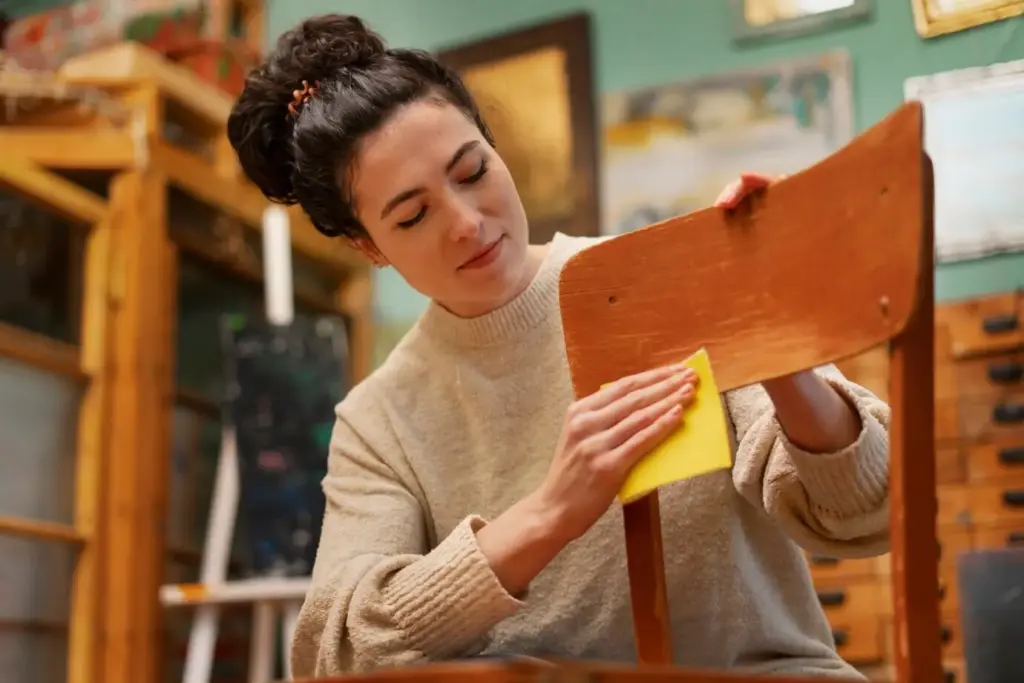
Before lifting a screwdriver, photograph joints, hardware, and finishes under consistent light. Note loose elements, smells of solvents, and sounds of creaks. Afterward, repeat the same angles and distances. List adhesives, fillers, fabrics, and sourced parts with links or receipts. This simple discipline transforms routine tinkering into an accountable record that future owners, restorers, and insurers can study and trust.

Simple Condition Reports for Busy Households

Create a straightforward checklist: wobble, level, crack length, humidity exposure, pest signs, sunlight hours, and surface protection. Record seasonal changes. A few consistent metrics, logged annually, reveal slow shifts that photos alone hide. When a drawer suddenly sticks or a chair loosens, your baseline helps separate short-term environmental effects from structural issues, guiding timely care and preventing unnecessary, invasive repairs.

Restoring Sustainably Without Erasing History

Every intervention is a choice between preserving traces and refreshing function. Favor reversible techniques, test in discreet spots, and document color matches and finishes candidly. When replacing a part, keep the old one labeled and photographed. Sustainable restoration respects embodied energy, reduces landfill waste, and maintains authenticity, allowing future custodians to understand what changed, why, and how to responsibly continue stewardship.

Formats and Backups Built for Decades

Use PDF/A for documents, JPEG or TIFF for images, and open text like JSON or CSV for structured data. Keep at least three copies, on two different media, with one offsite. Add checksums and a simple backup calendar. Label folders by object ID and date ranges. These habits outlast phone upgrades, cloud outages, and shifting services that otherwise strand precious records.

A Shared Vocabulary for Furniture Journeys

Agree on a few core fields: object identifier, maker, materials, dimensions, acquisition event, care events, and handovers. Use consistent terms for actions like move, repair, restore, and appraise. Reference established cultural heritage patterns where possible. A shared vocabulary makes your records legible to others, allowing different systems—family logs, shop databases, and marketplaces—to connect without confusion or costly translation later.

Community Impact, Market Value, and Your Next Step

A well-documented chair or table does more than sell well; it inspires community care. Repair cafés learn from your notes, local historians connect street-level stories, and marketplaces reduce fraud. Insurers reward clarity, heirs avoid disputes, and makers earn recognition. Start today with one piece, one photo, and one paragraph. Then invite a friend to contribute their favorite furnishing’s journey.
Nupekakotufepunofita
Privacy Overview

This website uses cookies so that we can provide you with the best user experience possible. Cookie information is stored in your browser and performs functions such as recognising you when you return to our website and helping our team to understand which sections of the website you find most interesting and useful.